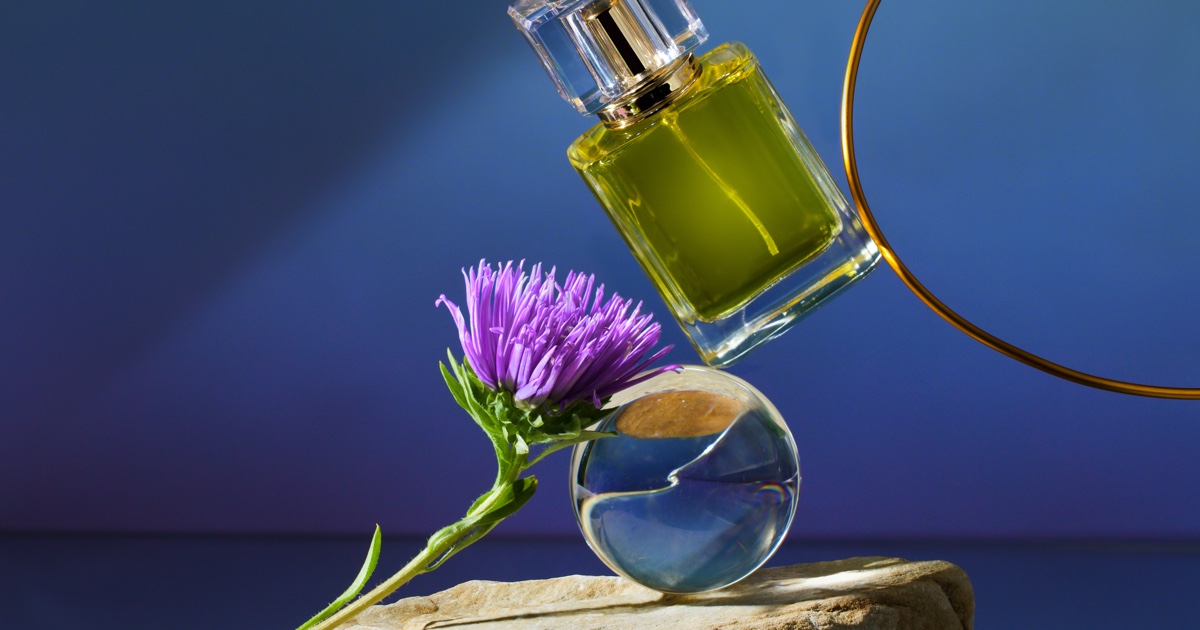
Fragrance notes describe the smells you recognize in a cologne, from the citrus of its first spray to the woods that linger later. They offer useful clues when choosing a scent, but a list of ingredients cannot tell the whole story. The same vanilla note can feel sugary in one fragrance and dry in another. What matters is how the notes work together, and how that relationship changes on your skin.
Fragrance Notes Explained
Perfumers often describe a men’s cologne through top, heart, and base notes. This fragrance pyramid is a useful way to explain its development, though the layers overlap.
Top notes create the opening impression. Citrus and aromatic effects often feature here, giving a fragrance an immediate brightness.
Bergamot, lemon, and orange are common examples. As these more fleeting effects fade, other parts of the composition become easier to notice.
Heart notes, also called middle notes, help define the fragrance beyond its opening.
Rose and jasmine can introduce floral character, while spices or aromatic herbs can steer the heart in another direction. Their effect depends on the blend, so a floral note does not automatically make a fragrance sweet.
Base notes provide much of the scent’s lasting character. They can be noticeable early on, even if they become more prominent later.
Musk, sandalwood, and vanilla are common examples. Amber accords also frequently appear in the base, adding warmth and a resinous or sweet effect.
How the layers interact matters more than a strict sequence. A cologne does not switch from one stage to the next on a timer, and some compositions change much less dramatically than others.
Types of Fragrance Notes
Floral & Citrus Notes
Citrus notes often give a fragrance a bright, zesty opening. Grapefruit can suggest a bitter edge, while orange tends toward a sweeter impression.
Bergamot has a more complex citrus character, with floral and sometimes spicy facets. Its appeal extends beyond fragrances marketed as fresh.
Florals also have an established role in men’s perfumery. Lavender is central to many aromatic compositions, and rose can be prominent in woody or ambery scents.
Jasmine might soften a blend or make it feel richer. These effects depend on the formula, not the gender printed on the bottle.
Fruity & Woody Notes
Fruit notes can suggest anything from juicy sweetness to a tart accent. Grouping them as “exotic” says little about how they actually smell.
Lychee and mango effects can give a fragrance a tropical direction. Ylang-ylang, despite appearing alongside them in some descriptions, is a floral note.
Such notes describe an impression, not necessarily an extract of the named fruit.
Woody notes offer a different range of effects. Cedar often smells dry and pencil-like; sandalwood is associated with a softer, creamy woodiness.
Amber is frequently blended with woods, but it is not itself a wood. In perfumery, a classic amber accord combines materials to create a warm, resinous effect.
The distinction is useful when shopping. A woody fragrance may smell dry, while an ambery one may lean sweet, even when both share some notes.
Spicy & Gourmand Notes
Spice notes can sharpen a fragrance or give it warmth. They do not all produce the same effect.
Black pepper can add a prickling edge. Cardamom often has an aromatic freshness alongside its spice, while nutmeg suggests a warmer, woody character.
The surrounding materials determine whether those notes feel brisk or enveloping.
Gourmand notes evoke edible pleasures, including caramel and coffee. They describe a scent effect, not a recipe.
Vanilla can make a fragrance seem creamy and dessert-like, but it also works in drier compositions. Coffee notes may emphasize roasted bitterness or suggest a sweeter café drink.
Spice can offset that sweetness, making a gourmand fragrance feel less sugary.
How Fragrances Are Made
Creating a fragrance involves testing how materials behave together, both immediately and as the scent develops.
Selecting Fragrance Notes
A note is a description of what we smell. A perfumer may create it using a natural extract, synthetic materials, or a combination.
Natural ingredients are not automatically better, safer, or longer-lasting. Synthetic materials can reproduce familiar smells and introduce effects that extraction cannot provide.
Environmental impact also depends on the particular material and how it is sourced or produced.
Distillation & Temperature
Distillation is one method of obtaining fragrant materials from plants. Steam helps release volatile compounds, which are then condensed and collected.
It is not the right method for every ingredient. Other materials are obtained through processes such as expression or solvent extraction, and extraction can change the scent compared with the living plant.
Balancing the Blend
A perfumer adjusts proportions to shape the overall effect. A small amount of one material can alter how another is perceived, so matching a few listed notes does not guarantee that two fragrances will smell alike.
Give the Dry-Down Time
A fragrance’s opening is only part of what you will wear. The dry-down, the scent left as the more volatile effects fade, may be softer, sweeter, or woodier than the first spray.
The different types of colognes also matter, but concentration labels alone cannot predict performance. The formula and wearing conditions influence how strongly a scent projects and how long it lasts.
Choosing a fragrance becomes easier when you test it on skin and return to it over several hours. Let the note list narrow your options, then let the wearing experience decide.
Read the original article here